Etosha National Park is one of southern Africa’s finest wildlife reserves and Namibia’s most iconic safari destination. Its name, meaning “Great White Place” in Herero, refers to the immense Etosha Pan - a vast salt flat that dominates the heart of the park.
For much of the year, the pan lies dry and shimmering beneath vast skies. After good summer rains, it can fill with water, transforming into a shallow lake that attracts flamingos and other water birds in their thousands. Around the edges of the pan, open plains and sparse woodland support an extraordinary concentration of wildlife.
Etosha’s appeal lies in its visibility. The landscape is open, the roads are accessible, and in the dry season animals congregate predictably around permanent waterholes, creating some of the most reliable game viewing in Africa.
Wildlife & Game Viewing in Etosha
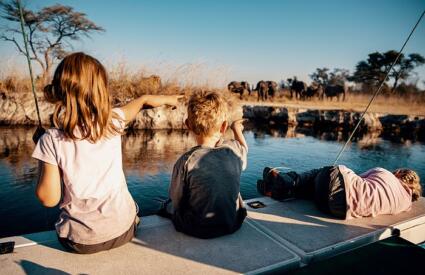
 During the dry season - generally from late April through to mid-November - Etosha comes into its own. As surface water disappears elsewhere, animals gather at the park’s perennial springs and waterholes, particularly in the southern section.
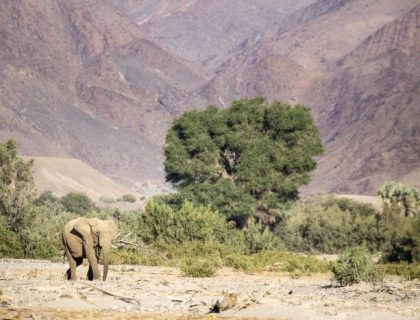
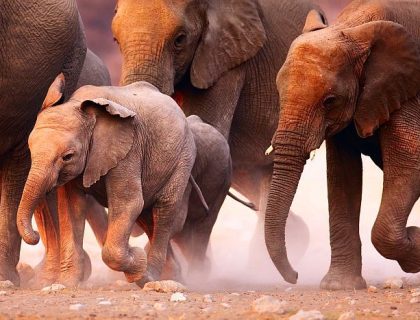
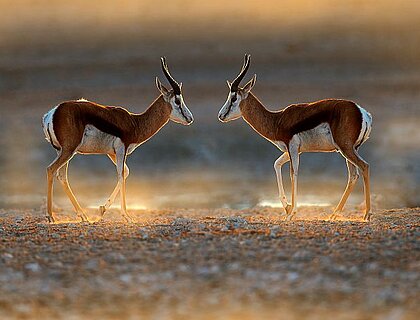
Large herds of elephant, zebra, springbok, wildebeest, gemsbok and giraffe are regular sightings, often accompanied by resident predators such as lion and cheetah. Etosha is also known for its variety of antelope, including the charming Damara dik-dik, as well as excellent raptor sightings, from bateleur eagles to pale chanting goshawks to red-necked falcons.
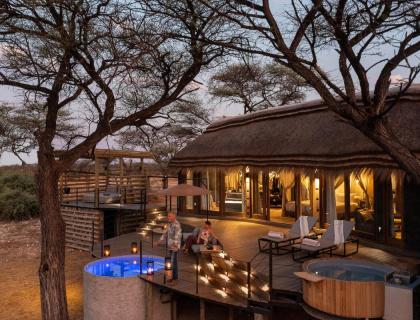
Onguma Game Reserve - if you are staying at one of the Onguma lodges - also offers very rewarding game-viewing with shorter sundowner drives which are perfect to combine with a longer morning game drive in Etosha itself.
How to Experience Etosha
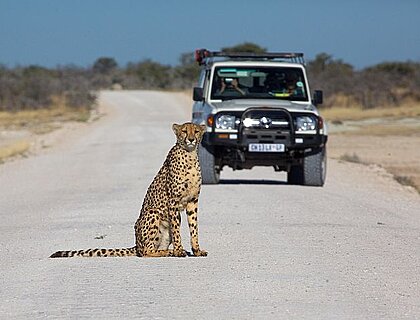 An Etosha safari can be enjoyed in two main ways:
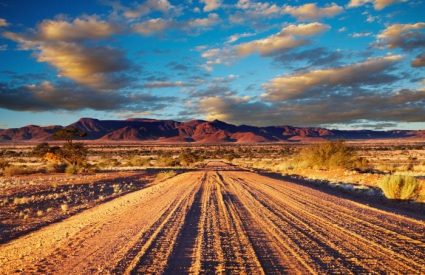
- Etosha Self-drive safari using a rental vehicle, exploring the network of well-maintained park roads at your own pace.
- Guided game drives from private safari lodges located on the edge of the park, offering experienced guides and a more interpretive experience.
Often our clients self-drive from place to place, but then take the opportunity to enjoy some guided game drives conducted by their lodge guides.
Seasonal Wildlife Movements at the start of the rainy season
 At the start of the summer rains, typically sometime in November, Etosha’s character changes. As fresh grass appears across the vast northern plains, much of the wildlife disperses away from the southern waterholes (which have been eaten bare) and the established road networks. And they head north to where there are no roads and so you cannot follow!
This means that game viewing becomes much quieter and less predictable. So if travelling then, have appropriate expectations.
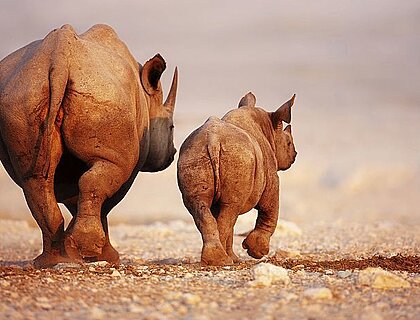
However, this is also a beautiful time to visit: the park turns green, skies become dramatic, and many animals give birth to their young. (Flamingos may even return to the pans after good rains.) But don’t expect vast herds of game, especially elephant.
Frequently Asked Questions
How long should I spend in Etosha National Park?
Most travellers spend 2 to 4 nights, ideally staying in both the central and eastern sections of the park and to explore at a relaxed pace.
Is Etosha suitable for self-drive safaris?
Yes. Etosha is one of Africa’s best self-drive safari destinations, with good roads, clear signage and excellent visibility. However don’t rush. Take your time and spend time at the waterholes to see more
Let us plan your Etosha safari - from the best seasons to the right lodges and routes.
Back to main Namibia safari page.